The Power of Perseverance: How These Great People Overcame Adversity to Achieve Success

We all face challenges in life, but what sets great people apart is their ability to push through adversity and come out stronger. In this post, we’ll explore the inspiring stories of Alexander the Great, Franklin D. Roosevelt, Nelson Mandela, and sports legends like Michael Jordan and Drew Brees, who overcame obstacles and achieved greatness.

Alexander the Great

Alexander the Great was a Greek king and military commander who conquered much of the known world in the 4th century BC. Despite the challenges he faced, Alexander remained a fearless and determined leader who was able to inspire his troops and overcome seemingly insurmountable obstacles. Some of the challenges he faced include:

  • His father was assassinated when he was 20 years old.
  • His army had to endure extreme temperatures, dangerous wildlife, and difficult terrain as they made their way across vast distances.
  • His conquests took him through harsh and unforgiving environments, including deserts, mountains, and swamps.

Franklin D. Roosevelt

Franklin D. Roosevelt was the 32nd President of the United States and is widely regarded as one of the greatest American presidents in history. He led the United States through some of its greatest challenges, including the Great Depression and World War II. Throughout his presidency he launched Social Security which was a safety net for older folks, a work program that put millions of people back to work and the FDIC which helped protect people from bank failures. Despite his achievements, Roosevelt faced significant challenges throughout his life, including:

  • Contracting polio at the age of 39, which left him paralyzed from the waist down.
  • Facing skepticism from many Americans who believed he couldn’t effectively lead the country from a wheelchair.

Nelson Mandela

Nelson Mandela spent 27 years in prison as a political prisoner fighting against apartheid in South Africa. He endured brutal imprisonment and isolation, confined to a tiny cell and forced to do hard labor in the blazing sun. Raised in a regime that removed black people from their homes in mixed-race neighborhoods and resettled them in townships on the outskirts of cities, he fought tirelessly to end apartheid and bring about reconciliation and unity in South Africa. 

Sports Legends

There are tireless examples of people in sports who overcame adversity. Michael Jordan didn’t make his high school team and went on to lead the Bulls to six rings and lead the conversation as the greatest of all time. Drew Brees tore his shoulder in San Diego and it was thought he’d never play football again. He went on to win a Super Bowl and was one of the greatest quarterbacks of this generation. Muhammad Ali lost 3.5 years of boxing because he refused to fight in Vietnam. Mario Lemieux came back and led his team to the Stanley Cup after being diagnosed with Hodgkin’s lymphoma.

No matter what obstacles you’re facing, remember that you have the power to overcome them. Take inspiration from these great people and never give up on your dreams.

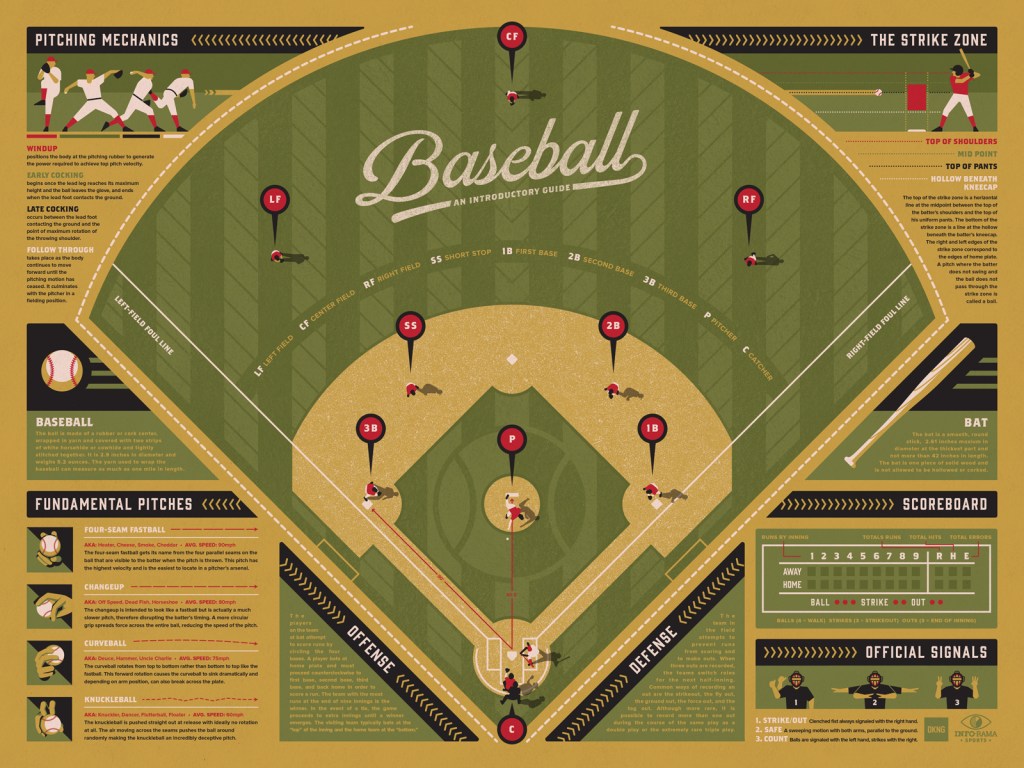
How would you explain Baseball to an Alien?

Baseball is a game played between two teams of nine players each. Each team takes turns batting and fielding. The batter stands in the batting box and tries to hit the ball thrown by the pitcher from the other team. If the ball is hit, the batter runs around the four bases in a counter-clockwise direction to score a run. The team with the most runs at the end of nine innings (when each team has had a chance to bat and field) is the winner. 

The teams that are in the field are divided into two groups. The first group is the infielders. Infielders are positioned around the inner edge of the diamond-shaped playing field. They include the pitcher, catcher, first baseman, second baseman, shortstop, and third baseman. The second group is the outfielders. Outfielders are positioned around the outer edge of the diamond-shaped playing field. They include the left fielder, center fielder, and right fielder. The third group is the designated hitter. The designated hitter is a player who bats in place of the pitcher.

The game is timed by Innings.  An inning is a rotation of both team fielding and batting.  The home team bats in the second half of the inning and the away team bats in the first half of the inning. In the course of an inning a team bats until there are 3 outs. A batter or player is deemed out when a defender gets the ball to another defender prior to an offense player reaching a base or a defender catches the ball after a hit prior to the ball touching the ground. Three outs in an inning ends a team’s chance to score, and three strikes on a batter also results in an out. A strike is called when a batter does not swing at a pitch and it is within the strike zone, while a ball is called when a pitch is outside the strike zone. A strike is also when a player swings at a pitch and misses.  The opposite of this is a ball (not to be confused with the object that’s thrown around).  If a pitch is thrown outside of the agreed upon zone, the batter is rewarded with a free look.  If a batter has 4 of these, they go to first base without having to make a hit.  

Baseball is a game full of nuance and outlying strategies.  Here are a few things you could see in every game.  

  • Stealing bases – A runner can attempt to advance to another base if the pitcher does not throw the ball in time. 
  • Force outs – When a runner is on a base, a fielder can force the runner out by throwing the ball to the base the runner is attempting to reach. 
  • Hit and run – The hit and run is a strategy where the runner attempts to advance while the batter attempts to hit the ball. 
  • Bunting – Bunting is an offensive strategy where the batter attempts to hit the ball in a way that it rolls slowly toward the infield, allowing the runner to advance. 
  • Pitching – Pitchers are able to throw the ball and have the ball do different movements.  They could throw it super fast and straight.  They can make the ball curve.  They can make it move without rotations.  All of these movements are designed to confuse the batter.

Baseball is also a game of numbers and stats.  A few statistics regularly followed are below.

  • Batting Average (BA): The number of hits divided by the number of at-bats. 
  • On-Base Percentage (OBP): The percentage of the time a batter reaches base safely, regardless of how he got there (hit, walk, hit by pitch, etc.). 
  • Slugging Percentage (SLG): The total number of bases (singles, doubles, triples, home runs) divided by the total number of at-bats.
  • On-Base Plus Slugging (OPS): The sum of a player’s on-base percentage and slugging percentage. 
  • Earned Run Average (ERA): The average number of earned runs a pitcher allows per nine innings. 
  • Walks Plus Hits Per Innings Pitched (WHIP): The average number of walks and hits allowed by a pitcher per nine innings. 
  • Strikeouts Per Nine Innings (K/9): The average number of strikeouts a pitcher has per nine innings. 
  • Win-Loss Record (W-L): A pitcher’s total number of wins and losses. 
  • Quality Start (QS): A start in which a pitcher goes at least six innings and allows three

Baseball is popular in many countries, especially in the Americas. In particular, it is a popular sport in the United States, Canada, Japan, the Dominican Republic, Cuba, Mexico, Puerto Rico, and Venezuela. It is also popular in several countries in Central and South America, as well as in some countries in Asia and the Caribbean.  I hope this primer will help you understand this beautiful game.

35 things you should have at home and ready to independently survive a catastrophic event.

1. First aid kit

2. Flashlights

3. Batteries

4. Candles and matches

5. Cell phone and charger

6. Extra cash

7. Non-perishable food

8. Water purification tablets

9. Extra clothing and blankets

10. Fire extinguisher

11. Whistle

12. Portable radio

13. Emergency tools such as a wrench or pliers

14. Maps of the local area

15. Copies of important documents

16. Extra eyeglasses and/or contact lenses

17. Prescription medications

18. A working fire alarm

19. A list of emergency contact numbers

20. Sanitation supplies

21. Emergency shelter

22. A sturdy garbage can

23. A generator

24. A shovel

25. A multi-tool

26. A car emergency kit

27. Wood for a fireplace

28. Frozen proteins

29. Guns and Ammunition

30. An escape plan

31. Military Rations

32. A meeting point for your family if you’re ever separated and this happens

These Final 3 are ideal state if you have the financial means or network!

33. Have a coop farm you can escape to

34. Have a helicopter based close escape plan followed by a more long distance air plane plan

35. Have one of these locations in multiple continents

A Very Practical Way to Deal with Financial Setbacks 

Dealing with financial setbacks and potential financial difficulties happens to people.  Some of the most successful people you’ve ever met have had setbacks before their financial freedom.  There are plenty of people that have financial setbacks and are not sure how to deal with the consequences that come along with it.  Here is a few practical ways to deal with this when it happens to you.

Your network is your net worth.  The people close to you want to help you.  Use your family and friends to talk to and help you through problems like this one.  Talking to them and getting their advice and/or support will help open opportunities.  Accept the support that they are willing to offer because these people care a great deal for you and your well being.

Set some achievable short term goals for yourself.  An example could be to make 10 phone calls to ask about opportunities per day. Taking the smaller steps and dealing with the tasks one at a time is something that will be a great help. You can scale these achievements.  Achieving is key.  You want to set goals for yourself that are going to make you feel good about who you are and what you do.  When it comes to money you need to figure out ways that you can make more of it.

Make sure that you are keeping things in the right perspective.  You should try to think about situations that are going to help you with your problems.  You can start by trying to avoid situations that are going to make things worse.  You have to keep a stable mind so that you are keeping everything in line and not making it more stressful on your life.

Making prudent spending choices is another helpful way to deal with the stresses of money.  You need to try and decide where you can save here and there.  Putting money aside or making better choices that are going to give you more options is something that you can do.  Thinking about making more money might be another good idea that will help you be more successful in dealing with your stresses with money.

You have an ability to hustle.  In fact, this is completely in your control.  You can hustle and work and go get it.  Your problems will  not go away on their own if you leave it for another day. You should work through your problems so that you are not left out in the cold.  You want to do anything that you can to be a happier and better person.  If you are thinking of ways that you can take on the challenges of money you will see how much better off you will be. 

The one thing to keep in mind is that you are not a failure and that you can hustle to make things better for you and your needs.  Go out and get it.  

The Grown Ups Guide to Life Insurance

A nationwide study on life insurance recently completed by Forbes Learnvest revealed  that 57% of respondents owned life insurance.  Good news right,  however only 28% were “extremely confident” about their understanding of their coverage or how life insurance works. 66% of study respondents had a poor understanding of how they would access their money when their loved ones die.  A little side note, the insurance company would probably appreciate you not knowing how to access the money as well.

So let’s get down to the basics here.  Life insurance is a policy that will pay money to a named beneficiary (most likely spouse or children) upon your death. This is a vehicle to help protect your loved ones if you were to die before you got old. In most cases it provides cash to pay for your family to maintain their lifestyle and education expectations if one or both of the parents die while they are still raising children.  It could also be good to have if you are going to protect your loved ones from your financial obligations When you purchase the policy, you determine the amount of coverage you need. There are many types of life insurance available, let’s explore a few of them here.

FIRST: DO YOU EVEN NEED THIS?

If you ask a nail maker if you need nails, they’ll give you a hundred reasons why you need nails.  The same thing goes for life insurance salespeople!  In my opinion there is really one reason you are going to need life insurance, family.  If you have a family that is dependent on your resources for their well being and survival, you need life insurance.  Your children are going to be dependent upon you financially for at least 18 years (most likely more) and you want to hedge against them not being financially OK if something happens to you.  

How Much Do I Need?

An easy rule of thumb is you get enough to cover a large portion of your annual expenses and cover debts that are outstanding.  For example, you could add your mortgage, annual expenses and tuition costs for a 4 year institution and base you amount of coverage on this.  Of course, you may do more or less based on your budget or ability to self insure (the latter meaning you’ve done well, congratulations!).

TERM AND WHOLE AND UNIVERSAL LIFE

Universal life sounds like a church you may want to warn your friends about if they are going to join (I say this as a licensed internet minister of the Universal Life Church)!  In all seriousness, there are a few different types of life insurance policies in the market and the easiest way to distinguish b/w them is temporary vs permanent.  Let’s get into those differences now.  

Term insurance is the least expensive plan you will find on the open market.  There are typically 2 ways you can buy term insurance.  One is through your employer through your benefits package.  This will typically not be a large policy, but often the employer will allow 2-5 times your annual income and it’s very inexpensive.  If you have a need, this will get you part of the way there, very cheap!  The other way is to buy a 10, 20 or 30 year policy on the open market.  These policies, while not as cheap as your employers, are the least expensive manner in which to protect your family for financial loss if you die.  Let’s give a scenario to explain how this works.

First, an understanding of how Life Insurance companies decide how much they collect from you each month in exchange for how much your family gets if you die.  Remember, this could mess with your head a bit, but this is money you will NEVER see, but you are buying so those around you don’t suffer.  Now to the meat and potatoes.  Your monthly premiums are what you pay to insure the company pays if you die.  These rates with life insurance are typically based on your present age today, your health, your family history, whether or not you smoke or work in a dangerous industry or spend your spare time jumping out of airplanes and shooting off fireworks.  Those last 2 activities could get you denied coverage!

The gist here, the younger and healthier you are, the lower your risk is to the insurance company that you are going to die within the term of the policy and thus the less money you have to pay in insurance premiums.   The opposite is also a factor.  Let’s say Sarah is a 26 year old girl who works out, doesn’t smoke and eats food from Whole Foods everyday.  She’s a much lower risk than John who is 45, hasn’t exercised in 5 years and lives on a steady diet of Cheetos and Bud Light.  Who do you think is going to have more healthy years ahead.  Just don’t ask my dad because he’d swear that John will outlive Sarah!

When you buy term insurance, you are buying a set amount of time to insure yourself, at a specific amount of money, say $300,000 to $2,000,000 and it’s typically 10-30 years.  This is the most basic type of life insurance and the easiest to understand.  It’s very straightforward and unless you are working with a financial professional who has a deep understanding of overfunding insurance products for cash value pull outs, this is really the only type of life insurance you’ll need over time.  You die, family gets paid, you live, family keeps you!  

Whole life is a policy that does what it says, it’s going to protect you for your whole life.  The insurance company set’s a premium knowing that as long as you pay, they are going to have to pay out sometime.  It could be today, it could be in 50 years.  That said, they know they will have to pay and they set your premiums to reflect that.  That’s why whole life is so much more expensive than term.  The insurance company is placing a bet they only imagine they will lose, so they need to find a way to profit!

These policies are also unique in that they carry a cash value and allow you to borrow, tax-free, against the policy’s cash value during your lifetime. Of course, the policy’s cash value changes over time and is lower than the total sum of the death benefit it provides.  

I know your going to ask, so, how exactly does cash value accumulate in your permanent life insurance policy?

According to our friends at investopedia “When you make premium payments on a cash-value life insurance policy, one portion of the payment is allotted to the policy’s death benefit (based on your age, your health, and other underwriting factors). The second portion covers the insurance company’s operating costs and profits. The rest of the premium payment will go toward your policy’s cash value. The life insurance company generally invests this money in a conservative-yield investment. As you continue to pay premiums on the policy and earn more interest, the cash value grows over the years.”

They also go on to explain that in the early years, the cost of insuring you is lower so more of your cash value goes into the permanent cash feature.  Then as you get older, more of the premium is going to pay for the insurance.

There’s all types of things you could do with the cash, but I recommend a professional to help you out there!  I just remind you that Whole Life is designed to do just that.  A policy that can last your whole life.

Universal Life is the final type of policy we’ll address here.  Universal policies are similar to Whole Life policies in that they are permanent protection, however they’re a bit different.  They tend to run a little less expensive than Whole Life, but there’s a bit more complexity.  It’s not a set it and forget purchase, but if you put the work in, you could save over whole life insurance over time.  

There are multiple types of Universal policies on the market today and most of them are relatively complex.  If you are interested in a Universal policy, I’d recommend working with an advisor that yoy trust.  

Life Insurance plans also offer a series of optional add ons known as riders.  Here are a few of them to consider when looking at your policy.  Critical Illness and Chronic Illness riders are there to pay money if you get a critical illness or a chronic illness.  The critical illness rider is typically set amount of money for cancer, heart disease etc…  The chronic illness rider allows you to access your policy amount if a physician says you have 12 months to live or less.  Other riders include Accidental Death or Double indemnity if you die in an accident.  This basically means if you die with a certain accident or an accident period, your family gets much more money.  There are riders for spouses (insure your spouse), waiver of premium (if you are disabled and can’t work, the premiums are waived), Child term rider (insure your child) and Long Term Care riders.  LTC rider states that if you cannot do 2 activities of daily living, such as cleaning, using the restroom, moving yourself around, cooking for yourself etc., the policy will allow you to use your benefit amount to pay for someone to do these things for you.  It’s an expensive rider and a type of policy we’ll dig into in a later article, but it’s a great way to protect yourself against a long term care need. 

Life insurance is complicated! I recommend speaking to a broker or advisor to discuss your needs. The good news, you can throw a rock in a crowded space and hit a licensed life insurance rep! I hope this primer provided you the guidance to help make the process a bit less confusing!

5 Books that have greatly influenced my life

It’s often said the average CEO reads 60 books a year, while the average worker reads less than one!  I don’t know if this is true or not, but personally, I try to read or listen to 25 – 30 books a year.  I wish I could do more, but alas, time doesn’t always permit me to.  The 5 books below have influenced my life and how I think.  I could make this list 10 – 15, but for the interest of time, I’ll keep it pared to 5!  Next time I’ll create the 20 books that everyone should read.  Until then, please do yourself a favor and check one of these out for your next read.  

Side note, the links below are not affiliate links, I don’t make a commission for checking these out.  Seriously, they’re just great books!

Atomic Habits – James Clear – The 1st law (Cue): Make it obvious. The 2nd law (Craving): Make it attractive. The 3rd law (Response): Make it easy. The 4th law (Reward): Make it satisfying.

Tools of Titans – Tim Ferriss – Tidbits of information from Tim’s long form interviews on his podcast in the areas of Health, Wealth and Wisdom.  Tim’s podcast was my gateway drug into podcasts and was instrumental in how I think about learning and asking quesitons.

David and Goliath – Malcolm Gladwell – There’s always a story behind the story and Malcolm teases these out like no other.  For example, did you know that shepherds were experts with slingshots?!

Kitchen Confidential – Anthony Bourdain – This book taught me that butter and fats make everything better.  It also gave me a whole new perspective on food, chasing goals and grit.

When Genius Fails – Roger Lowenstein – The first hedge fund that failed and was saved by the government, in my life, was Long Term Capital Management.  The smartest people in the room were right all the time, until they were wrong.  Ego is the enemy (which would also be book 6, but this list stops at 5!)

The Best Damn Cinnamon Buns On The Planet

This recipe has been slightly tweaked from the Bread Illustrated Cook Book from America’s Test Kitchen.  This book has been instrumental in my baking journey and I can’t recommend it enough!  I don’t get a commission for this recommendation.

Cinnamon buns will bring a smile to anyone’s face, at any time.  This may not be a full on scientific fact, but I’ve yet to have someone disappointed when I bring Cinnamon buns for breakfast, desserts or as a snack.  Ever!  

These Cinnamon buns specifically have never disappointed.  From my first attempt to my most recent, they always kill!  I suppose it’s hard to go wrong with sugar, cinnamon, vanilla, cream cheese, flour and even more sugar!  These treats are a delight and will keep your family and friends happy for years to come.  Enjoy!

Ingredients (prepare before hand!)

Dough

  • 21.25 ounces all purpose flour
  • 2 ounces cornstarch
  • 2.25 teaspoons instant or rapid rise yeast
  • 1.5 teaspoons salt
  • 6 ounces whole milk at room temperature
  • 3 large eggs at room temperature
  • 3.5 ounces granulated sugar
  • 12 tablespoons unsalted butter (don’t use salted butter), softened at room temp

Filing

  • 10.5 ounces light brown sugar
  • 1.5 tablespoons ground cinnamon
  • .25 teaspoons salt
  • 4 tablespoons unsalted butter, softened at room temp

Glaze

  • 6.5 ounces confectioners sugar
  • 4.5 ounces cream cheese, softened
  • 1 tablespoon whole milk
  • 1.25 teaspoon vanilla extract
  1. For the dough: Whisk flour, cornstarch, yeast and salt together in the bowl of the stand mixer.  Whisk the milk, eggs and sugar in a liquid measuring cup until sugar has dissolved.
  2. Using the dough hook on low speed, slowly add the milky egg mixture to the dry mix and mix until cohesive dough starts to form and no dry flour remains.  This should take about 2 minutes and you should scrape the bowl down as needed.  Increase the speed to medium low and add the butter, 1 tablespoon at a time and continue until the butter is fully incorporated, smooth and elastic.  It should clear the sides of the bowl.  This should take about 8-9 minutes.  
    1. Pro Tip, make sure the butter is not cold, but at room temperature when you add to the mix.  If it’s cold it’ll take longer to break down and mix in.
  3. Transfer the dough to a lightly floured counter and knead by had to form a smooth and round ball.  This will take about 30 seconds.  You can also form the ball by hand.  Place the dough seam side down in a lightly greased bowl (you can use butter or oil, I typically just use a small bit of olive oil), cover with plastic wrap and let rise until doubled in size (around 2 – 3 hours).
  1. Make a foil sling for a 13X9 inch baking pan by folding long sheets of aluminum foil.  The first sheet of aluminum foil should be 13 inches wide and the second sheet should be 9 inches wide.  Lay the sheets of foil in a pan perpendicular to each other with extra foil hanging over the edges of the pan.  Push the foil to the corners and up the sides of the pan.  Smooth the foil fluch to the pan and cover with cooking spray or a small amount of olive oil.  The oil & spray will help flatten.
  1. For the filling:  Combine the sugar, cinnamon and salt into a bowl.  Press down the dough to deflate, then spread it to a lightly floured counter.  Press and roll the dough into an 18 – 20 inch square (the wider you go, the more margin for error when you roll it up).  Spread softened butter over the dough, leaving 1 inch border around the edges.  Sprinkle with sugar / cinnamon mixture, leaving a border at the edges and spread evenly.
  1. Roll the dough away from you into a firm cylinder, keeping the roll tight and snug by tucking it under itself as you go.  Push and pinch the seam closed and shape the cylinder as needed to be 18 inches in length with uniform thickness.  If there’s extra dough on each side, cut off with a serrated knife (this will help with uniform visual, eliminating “end pieces.”  Using the same serrated knife, cut the cylinder into 8 pieces and arrange the cut side down in the prepared pan.  Cover loosely with plastic and let the buns rise until doubled in size (about an hour, should take up most of the pan).  PREHEAT OVEN NOW to 365 degrees.  You can refrigerate the buns at this step in the process for about a day, let them sit at room temp for an hour if you decide to do this before cooking. 
  1. Bake the buns until they are golden brown and the filing is melted.  I’ve found this typically hits perfectly at 37 minutes, but start checking around 30 minutes in.  Rotate the dish at 15 minutes for an even cook.
  2. For the glaze:  While the buns are cooking using a fork, combine all the ingredients in a bowl until smooth and creamy.  Top the buns with the glaze after they’ve been out of the oven for about 15 minutes.  These are best served warm, but will be just as good if you transport them or warm up after refrigerating up to a few days later.  

How To Talk To Anyone, Anywhere, In 10 Steps

The art of conversation is timeless. Humans are social creatures and in order to be successful, you are going to need to navigate humanity. Here are 10 tips to help you talk to anyone.

  1. Make a good first impression with eye contact and a smile
    • People often only remember the first and last thing about you. Smiling is a sign of confidence, kindness and empathy. When you look someone in the eyes, it’s a display of trust and attention.
  2. Mirroring – Replicating certain words and motions of the person you’re speaking with. Mirroring lets the other side know you’re paying attention to what they’re saying and treating their views with the close consideration they believe they deserve.
    • Mirroring could also be repeating key words used by the person you are speaking with. Don’t overuse this!
      • An example of this could be, “I’m a huge fan of The Cowboys, but I’m very disappointed in the draft.” You could respond, “The Cowboys Draft?” Then the person will dig in with more details.
  3. Be Complimentary – People like to feel good about themselves. If you pay someone a compliment (In a non-creepy way!), it’s going to make them feel good about themselves because of something you just said, you’ll immediately have a friend!
  4. Use We and Us in your conversation. It immediately makes people feel like they’re in it with you. This creates a sense of community.
  5. Ask the person you are speaking with, how they’re connected to whatever event you are at and figure out who the two of you have in common.
    • If you are at a party, an easy question is, “How are you connected to everyone here?”
    • If you are at a work event, “What do you do at the company? Do you know…?”
    • If you are at a kids sporting event, “Which kid is yours?!”
  6. When you meet someone for the first time, be excited and treat them as if you are already friends. That’s going to make easing into conversation easier. Be happy to be with them.
  7. When you are asked the inevitable question of where are you from and what do you do. Answer in a long form, not a short.
    • An example of this could be, “Where are you from?” “I’m from a town in Northeast Indiana, are you familiar with Indiana?” OR “I build jet engines for Boeing, but not the ones you heard about in the news!”
  8. Be Interested
    • The best way to be interesting, is to be interested! Ask the person follow up questions, play dumb about a subject if you have to. People like to talk about things they’re interested in, ask questions.
  9. Practice pauses
    • In conversation, you don’t need to respond immediately. Sometimes allowing a pause gives the person your speaking with more time to put their thoughts together. Just don’t let it be uncomfortably long!
  10. If you are feeling bold, bust out a few ice breakers!
    • What’s the single best item you’ve bought in the last year?
    • If you could only keep 3 apps on your phone, what 3 apps would you keep?
    • Who is your favorite fictional character? Who is your favorite historical figure?

5 Recipes You Can Build Your Cooking Skills On

Being a grown up means it’s time to start cooking for yourself and others.  Throughout my 20’s, I played around with food a little bit, but wasn’t very serious about it.  It wasn’t until my late 30s that I learned how much love you get both from others and in your soul, when you make a great meal.  If you discover this secret earlier than me, you will also discover it’s blessings earlier!  It really is a treat to watch others enjoy something you put work into and it’ll also keep you invited back!  

Below are 5 recipes you can use to start your cooking adventure.  We hit breakfast, lunch and dinner!  We’ll pan fry, we’ll use the oven, we’ll use some spices and herbs and we’ll enjoy a tasty meal after! I’ll save my sticky buns and cinnamon buns for another time.  

Bacon, Potato Egg Casserole 

Ingredients

  • ½ pound thick-cut bacon, Cooked and Crumbled
  • ¼ cup olive oil 
  • 1½ pounds russet, yellow or Yukon Gold potatoes, unpeeled, sliced ¼-inch thick pieces
  • 1 large yellow onion, thinly sliced into rings
  • Kosher salt and freshly ground pepper to taste
  • ½ Tablespoon Organic Curry Powder
  • 10 large eggs 
  • 6 ounces shredded Cheddar, sharp Cheddar or Monterey Jack

Step by Step

  1. Heat oven to 375 degrees. Cook bacon in a 12-inch skillet over medium-high heat until crisp and the fat has rendered out, 4 to 5 minutes each side. Remove from the skillet, leave the fat behind.
  2. Add olive oil, potatoes and onion slices to the skillet. Season with curry powder, salt and pepper and cook, stirring occasionally until the potatoes are tender and start to brown, and the onions are golden brown, 20 to 25 minutes. Return bacon to skillet and stir to combine so that everything is distributed evenly.
  3. In a large bowl, whisk eggs together and season with salt and pepper. Add cheese and whisk to blend. Transfer potato mixture to a 9” x 13” baking dish and pour egg mixture over. Place in oven and bake until eggs are puffed around the edges and just set in the center, 15 to 20 minutes.
  4. Remove from heat and let cool slightly before eating. Serve with your favorite hot sauce for added flare

Sheet Pan Sausage and Veggies

Ingredients

  • 1 pint grape or cherry tomatoes, halved OR 1 large / 2 medium whole tomatoes cubed
  • 1 head broccoli florets cut from stem
  • 1 yellow squash sliced 
  • 1 whole onion diced in large pieces
  • 1 package your choice mushrooms, trimmed and halved (1/2 pound)
  • ¼ cup olive oil, plus more as needed
  • 1/2 teaspoons dried oregano
  • 1/2 teaspoon dried tarragon 
  • 1/2 teaspoon dried basil
  • 1 teaspoon red-pepper flakes
  • Kosher salt
  • 1 pound spicy or sweet Italian sausage (fresh sausages removed from casing)
  • ¼ cup plus 2 tablespoons grated Parmesan or manchego, plus more for topping after cook

Serve with Garlic Bread (you can be lazy and buy at store) or on Rice

  1. Heat the oven to 400 degrees with one rack in the lower third and one in the upper. 
  2. On one sheet pan, combine the tomatoes, broccoli and mushrooms with ¼ cup oil. Season with ½ of your herbs and red pepper flakes and salt to taste. Toss to combine and mind your presentation (make sure everything is spread out). Roll the sausage into 1-inch balls. (There should be 25 –  30.) Distribute them around the vegetables.  Season remaining herbs and red pepper flakes. Sprinkle the entire sheet pan with 2 tablespoons of your chosen cheese. Roast for 15 minutes.
  3. After 15 minutes, gently shake the pan to flip the meatballs. Sprinkle the entire pan with the remaining ¼ cup cheese, concentrating your on the tomatoes and the empty pan edges so that some Parmesan has room to crisp. Return the meatball sheet pan to the lowest rack.  If you are making bread, this is when you’ll add the bread to the oven. Roast until the bread is golden at the edges, the broccoli tips are crispy and the meatballs are cooked through, (depending on bread, most likely 7 to 10 minutes). (If the broccoli and meatballs need a little more time, remove bread and give them 5 more minutes and they should be good to go!)
  4. Use a wooden spoon or spatula to scrape up any cheese that has stuck to the bottom of the pan. Serve everything with the garlic bread or rice and more grated cheese.

EGGPLANT PARMIGIANA 

Recipe by Matty Matheson 

Ingredients for the tomato sauce:

  • ½ cup|120 ml olive oild
  • 9 garlic cloves – thinly sliced
  • 1 medium yellow onion diced
  • 3 tablespoons tomato paste
  • 3 (28-ounce|794-gram cans) whole peeled tomatoes crushed by hand
  • kosher salt and freshly ground black pepper, to taste

for the eggplant parmesan:

  • 3-4 medium eggplants – peeled and sliced lengthwise into ¼-inch pieces
  • 2 cups | 300 grams all-purpose flour
  • kosher salt and freshly ground black pepper, to taste
  • 6 large eggs lightly beaten
  • 4 cups | 500 grams bread crumbs
  • 1 ¼ cups | 296 ml olive oil
  • 1 cup | 237 ml canola oil
  • 4 cups | 946 ml tomato sauce
  • 1 ½ pounds | 680 grams sliced Mozzarella cheese
  • 1 bunch fresh basil leaves
  • 1 cup grated parmesan cheese

Directions

1. Make the tomato sauce: Heat olive oil in a saucepan over medium. Add the garlic and onion and cook until translucent and fragrant, about 5 minutes. Stir in the tomato paste and cook for 5 minutes. Add the tomatoes and bring to a boil. Season with salty and pepper and remove from heat.

2. Place flour in one large shallow dish. Season with salt and pepper. In another shallow dish, mix the eggs with ½ cup water. Place the bread crumbs in a third shallow dish. Working with 1 slice of eggplant at a time, dust it in the flour, coating it all over, then dip in egg wash, then place in breadcrumbs to coat. Repeat with the remaining slices.

3. Heat 1 cup of olive oil and the canola oil in a large frying pan over medium-high. Working in batches, cook the eggplant, flipping once, until golden brown, about 1 minute per side. Transfer to a rack set over a baking sheet and season with salt.

4. Heat the oven to 450°F. Ladle ½ cup tomato sauce on the bottom of a 9-by-13-inch casserole dish. Arrange a layer of fried eggplant into the dish, then layer mozzarella slices on top to cover. Spoon over 1 cup of tomato sauce then scatter 6-7 basil leaves on sauce. Arrange another layer of fried eggplant slices in the opposite direction. Repeat layers 3 more times ending in mozzarella. Sprinkle parmesan over surface of the top layer then drizzle with the remaining ¼ cup olive oil. 

5. Bake until the cheese is browning and bubbling, 20 to 25 minutes.

Reverse-Sear Steak with mushrooms and asparagus 

Ingredients

  • 1 thick rib eye steak or NY Strip, 2 in (5 cm) preferably USDA prime and well marbled (IE Fatty)
  • 1 teaspoon salt, to taste
  • 1 teaspoon pepper, to taste
  • 3 tablespoons high smoke point oil (Avocado choice 1 – sunflower choice 2 – canola choice 3)
  • 2 tablespoons butter
  • 2 cloves garlic, peeled and smashed
  • 2 sprigs fresh rosemary
  • 3 sprigs fresh thyme
  1. Preheat oven to 200°F/95°C.
  2. Pat the steak dry with a paper towel, and generously season all sides of the steak with kosher salt and fresh ground pepper.
  3. Transfer to a wire rack on top of a baking sheet, and bake for about 45 minutes to an hour, until the internal temperature reads about 125°F/50˚C for medium-rare.  If you have a bread stone, place meat right on stone.
  4. Heat the oil in a pan (preferably cast iron) over high heat until smoking. Do not use olive oil, as its smoke point is significantly lower than than the other oils and will smoke before reaching the desired cooking temperature.
  5. Sear the steak for 1 minute on one side, then flip.
  6. Add the butter, garlic, rosemary, and thyme, and swirl around the pan. Transfer the garlic and herbs on top of the steak and baste the steak with the butter using a large spoon.
  7. Baste for about 1 minute, then flip the steak with tongs and baste the other side for about 15 seconds.
  8. Turn the steak on its side and cook to render off any excess fat.

Mushrooms and onions 

  • 1 onion, cubed
  • 1 package cremini or portobello
  • Salt to taste 
  1. In pan with steak oil and butter, rosemary and garlic, head to medium, add onions and cook to brown 
  2. Add mushrooms and cook until they tender and fragrant, about 15 minutes 
  3. At finish, add black pepper, parsley and salt to taste, off heat

Asparagus 

2 cheats – snap off the bottom and peel the stalk

Here’s a simple method for roasting asparagus that requires olive oil, salt and pepper.  That said, 

  1. Heat your oven to 425 degrees
  2. Dress asparagus spears lightly with olive oil and season with salt and pepper. 
  3. Spread them on a baking sheet or in a roasting pan in one layer and roast until lightly browned and sizzling, and just firm-tender. 
    1. baking sheet, that should take 10 to 12 minutes
    2. heavy-bottomed roasting pan for about 15 minutes. 
  4. The trick here is getting the spears nicely colored without overcooking them, and you should always err on the undercooked side — asparagus will continue to cook off the heat

*You can add other spices as well: cayenne, paprika, red pepper flakes or smoked salt. Or try chopped pecans, a sprinkle of grated Parmesan and a drizzle of balsamic vinegar.

Best damn tuna melt recipe (makes 4 big sandwiches)

Recipe from NYTimes cooking

Ingredients

  • 3 (6-ounce) cans solid, water-packed tuna, drained
  • ¾ cup mayonnaise
  • ¼ cup finely chopped cornichons or small kosher dill pickles
  • 3 tablespoons minced shallot
  • 2 tablespoons lemon juice
  • 1 packed tablespoon minced fresh dill
  • 2 teaspoons whole-grain mustard or dijon mustard
  • ⅓ teaspoon kosher salt
  • ¼ teaspoon fresh cracked black pepper
  • 8 slices sourdough bread, cut to your liking or from loaf
  • 8 sandwich slices extra-sharp Cheddar
  • 4 tablespoons softened unsalted butter, plus more as needed
  1. Place the tuna in a medium bowl and flake with a fork. Add the mayonnaise, cornichons, red onion, lemon juice, dill (if using), mustard, salt and pepper. Mix well.
  2. Depending on the size of your bread, spoon ⅓ to ½ cup tuna salad on each of four slices of bread, heaping it in the middle slightly. Divide the cheese among the sandwiches, tearing and arranging the cheese to fit neatly. Place a piece of bread on top of each and generously spread the top piece of each sandwich with about ½ tablespoon butter.
  3. Heat a 10-inch skillet over medium-low. Place two sandwiches, buttered-side down, in the skillet, and cook for 3 to 4 minutes, until the bottom pieces of bread are golden brown.
  4. Spread the top of each sandwich with another ½ tablespoon butter. Carefully flip the sandwiches, turn the heat to low, and cook for 3 to 4 more minutes, until the bottoms are browned and the cheese is melted. Repeat with the remaining two sandwiches and serve immediately.

25 things I’ve learned in my first 7 months of being a dad

1. Baby poop is ever changing and this is something every parent observes

2. Babies can eat normal food before they have teeth, such as strawberries, eggs and even little pieces of meat or chicken legs!

3. The parent taking care of the baby full time, at anytime, has the harder job

  • I said this to be nice when my wife was on maternity, but when I got to paternity, I realized work was actually an escape

4. My time is no longer mine 

5. Before your baby crawls, parenting is less intense.  Once they crawl, you’re now in charge of preventing accidents and worst.  

  • I hear this amplifies with walking and talking 

6. The best part of my day is when I get to snuggle with baby and we knowingly enjoy each other’s company

7. My long term thinking has changed completely 

8. I think about fitness to chase my kids around and be able to keep up with them for a longer period of time

9. The baby industrial complex makes something for everything baby

10. Baby proofing homes has yet to become high tech

  • Business idea – smart baby proof doors that can be all turned on and all turned off at the same time

11. If baby is crying, you’ll literally do anything to stop it

12. Everything you once judged parents for (binkie from floor to mouth, screens, baby covered in food), you end up doing

13. Anything you can do to make your child laugh, you will do repeatedly 

14. I will compete to have papa as the first word out of baby’s mouth 

15. I should have gotten a night nurse and I will for #2!

16. Much of what used to matter no longer does

17. Babies will pee on you many times during diaper changes – this is temporary 

18. Babies are supposed to sleep on their backs until they can roll, then they mostly sleep on their stomach

19.  Doing things with baby is always scary the first time, then becomes part of life – this ranges from going out to eat to traveling

20. Hangovers are no longer worth the price

21. Happiness is baby noises (koos, bahs and aaaahs)

22. Most of what gets us aggressive in life never changes – you’re hungry, tired or need to use the restroom 

23. Naps are gods gift, both taking them and when baby takes them

  • When the baby is new, you sleep when baby sleeps

24. You reflect on teaching someone else on how to be a good person and remember they’re going to watch you and model these behaviors 

25. Being a dad is the best!